 A dated calendar of Southeast Asia travel experiences
Independent travel calendar
Southeast Asia, by the calendar
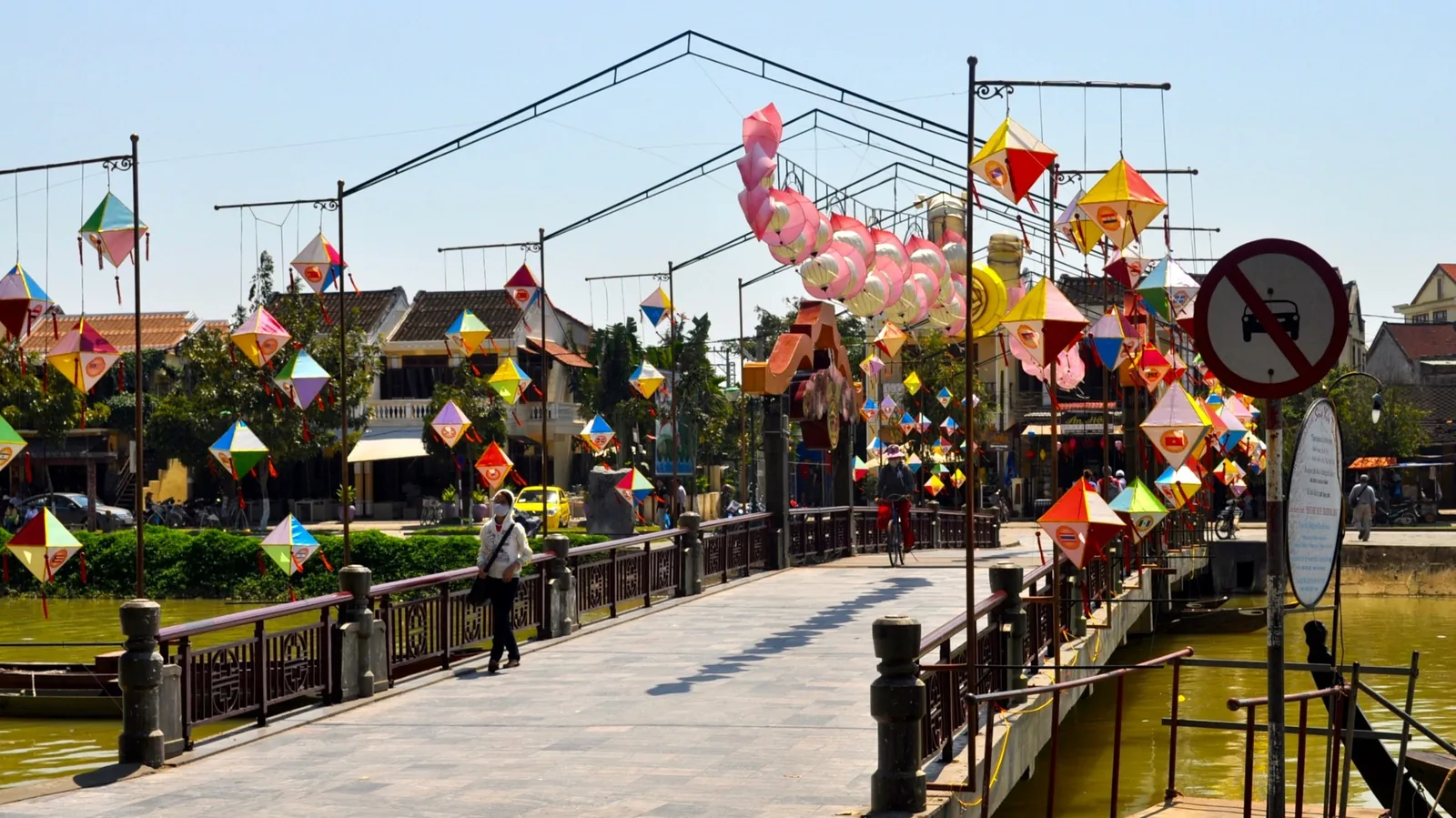
Lantern nights in Hoi An, golden terraces in the northern mountains, buckwheat on the karst plateau, Loi Krathong on the November full moon, sunrise at Angkor in the dry months. This guide tells you when each of them happens, how the date is set, and what goes wrong for people who plan around it.
What this guide does
Most travel advice for this region is organised by place: what to see in Hoi An, what to do in Chiang Mai. This guide is organised by date. It starts from the things that only happen at a certain time of year or on a certain night of the moon, and works out when they fall in 2026 and 2027, how reliable that date is, and what a traveller needs to do differently to catch them.
Three kinds of date run through the region. Some are fixed by government decree, such as Songkran in Thailand or the Khmer New Year holiday in Cambodia. Some move every year with the lunar calendar, such as Tet, the Hoi An lantern nights, Loi Krathong and the Cambodian Water Festival. And some are set by nature, which means a window of a few weeks rather than a day: rice ripening on the terraces, buckwheat flowering on the Dong Van plateau, fireflies in a national park forest. Each needs a different kind of planning, and the pages below say which kind you are dealing with.
Our reading of the cited sources: filled = the event is on and conditions usually suit it, half = possible with trade-offs (start or end of a season, crowds, early rains), empty = the event is not on, or flood, smoke or heat usually spoil it. Hoi An lantern nights take place every month; the empty months are the flood season.
Find the season you are travelling in
January to March
Tet and the lunar new year, the cool dry season at Angkor, the smoke season building in the north of Thailand and Laos. Read the quarter.
April to June
Songkran, Pi Mai Lao and Khmer New Year in the same week, then fireflies and butterflies in Cuc Phuong and the first rains. Read the quarter.
July to September
The monsoon months: early rice in Tu Le, the paragliding weekend at Khau Pha, waterfalls at full flow and the typhoon risk on the coast. Read the quarter.
October to December
Buckwheat on the karst plateau, Loi Krathong and Yi Peng, the Water Festival in Phnom Penh, floods on the central Vietnamese coast. Read the quarter.
Festivals and events with a date
The festival pages give the 2026 and 2027 dates, say whether each date is official, announced or only calculated from the moon, and describe what actually happens on the night.
- Festival dates for 2026 and 2027 — one table for Tet, Mid-Autumn, the end of Buddhist Lent, Pchum Ben, the Water Festival, Loi Krathong and the April new year holidays, with how each date is set.
- Hoi An full-moon lantern nights — every 14th day of the lunar month through 2027, the lights-off time, the ticket and the flood months.
- Loi Krathong and Yi Peng — why sources disagree on the 2026 night, the no-lantern zones in Chiang Mai and the evening flight cuts at its airport.
- Songkran, Pi Mai Lao and Khmer New Year — three countries on holiday in the same week, in the hottest weather of the year.
Seasons that nature sets
- Rice harvest, buckwheat blossom, fireflies and monsoon waterfalls — which valley ripens first, why the buckwheat festival date moved in 2026, and the evening forest tours in Cuc Phuong.
- Angkor sunrise season and crowds — sunrise times by month, which temples open at 05:00, the 300-person cap at Phnom Bakheng and how a pass dated tomorrow works.
- Bagan balloon season — what we could and could not confirm for 2026–27, and what current travel advice says about the region.
Planning, and knowing when to stay away
A dated event changes the economics of a trip. Flights, rooms and transfers are priced against demand, and demand for a famous night can be far above normal. The planning page covers booking windows, spare days and what to do when a date has not been announced yet.
The when-not-to-go page is the other half: the smoke season in the north of Thailand and Laos, typhoons and floods on the Vietnamese coast, the hottest weeks at Angkor, and the holidays when transport is full and businesses close. Sometimes the right answer is a different month.
How the dates are checked
Every block that carries a date, a fee or an opening time has a source line under it and the date we last checked it. Official sources come first: government holiday notices, tourism authorities, provincial portals and the UK Foreign Office travel advice. Where only a travel guide or a news report gives the answer, the source line says so. Where sources disagree, both are shown.
Lunar dates are calculated as well as copied. We compute new and full moons in Indochina time and check them against published calendars, which is how we know, for example, that the November 2026 lantern night in Hoi An is on the 22nd and not the 24th. Our methods and the full source list are on the about page.
Sources: Tourist Bucket lunar and sun calculations (PyEphem, UTC+7), cross-checked with a Chinese-calendar library; Vietnam Airlines travel guide — Hoi An lantern festival; vietnamtourism.com — November 2026 lantern night (travel website) · last checked .
Who this guide is not for
- Travellers looking to book a tour, a ticket or a room. This guide sells nothing and takes no bookings.
- Readers who want a full guide to one city. We cover the event and the season, not every sight in town.
- Anyone who wants a list of favourites. We describe what happens and when; we do not rank places or events.
- People who need certainty that a festival will go ahead. Weather and official decisions can change or cancel events, and we say so where it has happened.
Common questions
Questions readers ask
Which countries does the calendar cover?
Vietnam, Cambodia, Laos, Thailand and Myanmar. Myanmar is covered with care: current UK travel advice warns against all but essential travel to large parts of it, including the region around Bagan.
Are the festival dates official?
Each date is marked as official, announced or calculated. Government holidays such as Khmer New Year come from the published decree; lunar festivals that no authority publishes in advance are calculated and labelled as such.
Can you book a festival tour or a lantern release ticket for me?
No. Tourist Bucket does not sell or arrange anything, and it does not recommend companies.
How often is the calendar updated?
Pages are reviewed when a new holiday decree or festival announcement appears. Each section shows the date it was last checked; this edition was checked on 26 October 2026.
Related
Read next
Festivals
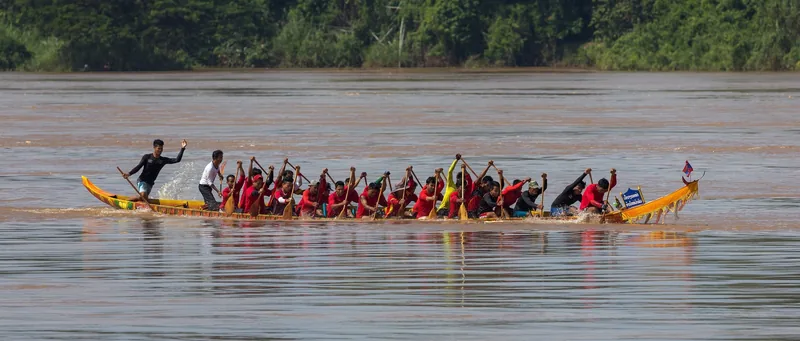
Festival calendar
Dates for 2026 and 2027 with a label for each: official, announced or calculated, and how the lunar calendars work.
Read more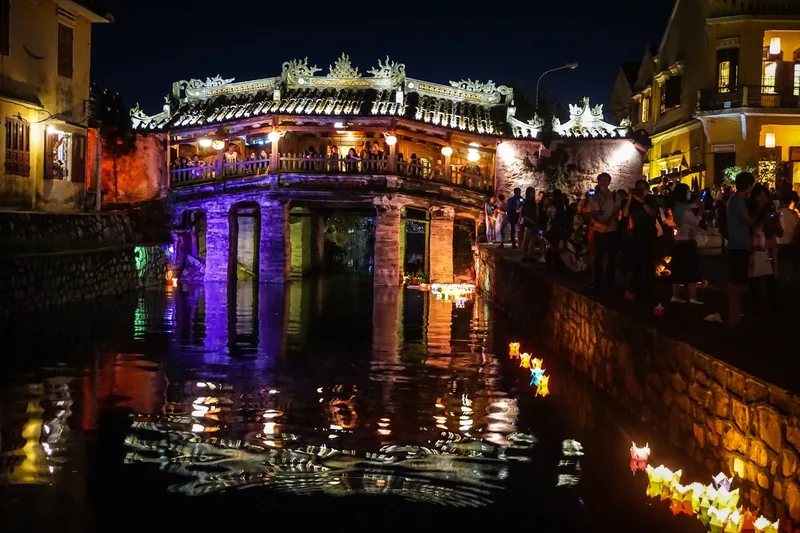
Festivals · Vietnam
Hoi An lantern nights
Every Hoi An lantern night through 2027, with the lights-off time, the old town ticket and the flood months.
Read more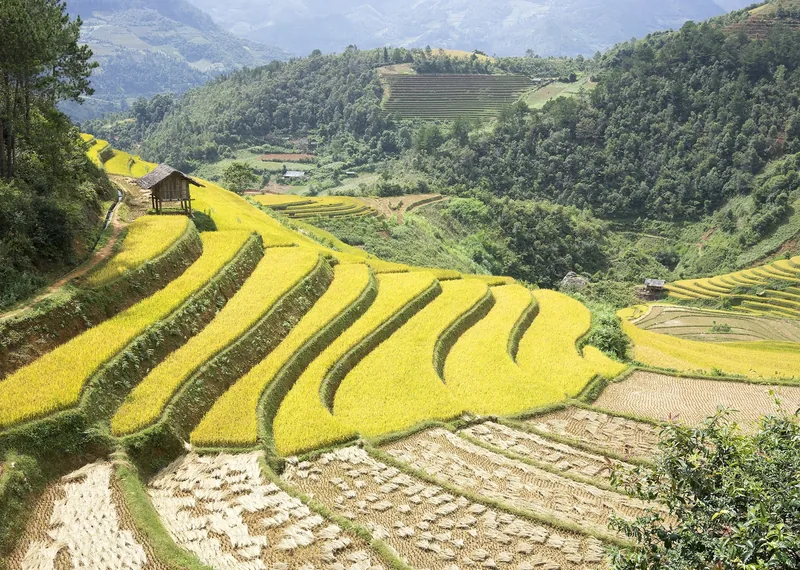
Nature seasons
Nature seasons
When the terraces turn gold, when buckwheat flowers on the Dong Van plateau, firefly evenings and monsoon waterfalls.
Read more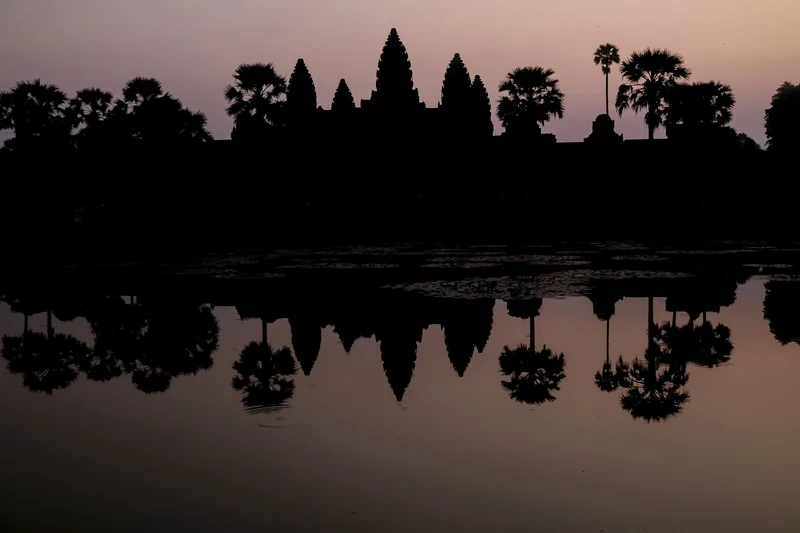
Seasons · Cambodia
Angkor sunrise season
Sunrise times by month at Angkor Wat, the official pass prices and hours, the sunrise temples and the Bakheng cap.
Read more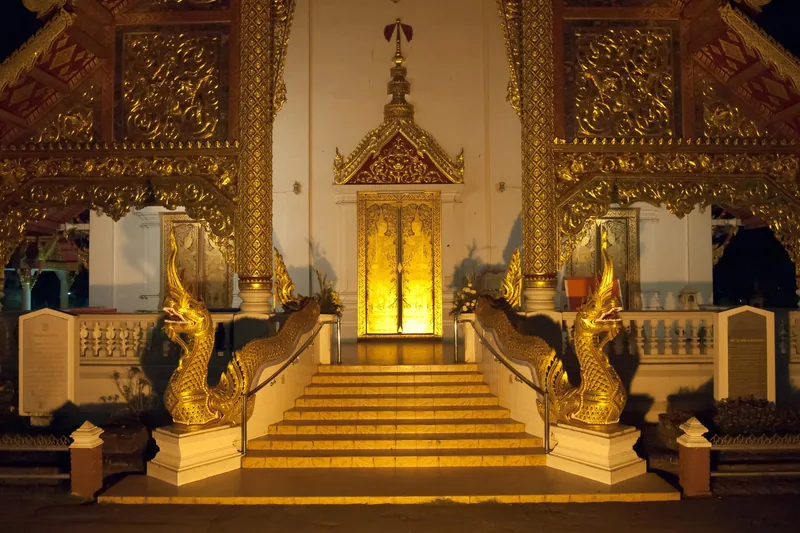
Planning
Planning around a date
How to plan around an official, announced or calculated date: booking windows, price spikes and spare days.
Read more
Planning
When not to go
Smoke season, typhoons, central Vietnam floods, extreme heat, holiday closures and advisories, with months.
Read more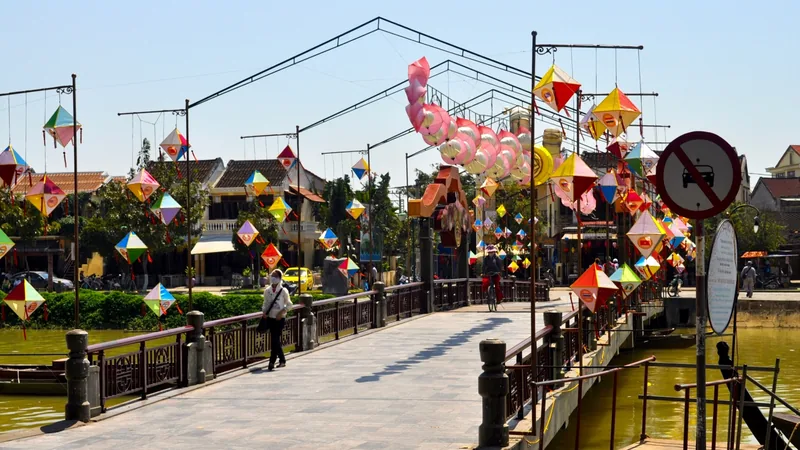
Start planning
Send a correction or a question
Tell us which page and which date you are writing about, what you found instead, and where you found it. A link to an official announcement helps us check it quickly.